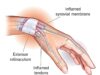

What is Psoriatic Arthritis?
Psoriatic arthritis is a chronic inflammatory condition that affects some people who have psoriasis, a skin condition characterized by red, scaly patches. Unlike other forms of arthritis, psoriatic arthritis combines the symptoms of psoriasis and arthritis, leading to joint pain, stiffness, and swelling. This condition can affect any part of the body, including the fingers, toes, and spine, and its severity can vary from mild to severe. Early diagnosis and appropriate Arthritis treatment are essential to prevent joint damage and improve quality of life.
What Causes Psoriatic Arthritis?
The exact cause of psoriatic arthritis is unknown, but it is believed to result from a combination of genetic, environmental, and immune system factors. The condition occurs when the immune system mistakenly attacks healthy cells and tissues, causing inflammation in the joints and overproduction of skin cells. People with a family history of psoriasis or psoriatic arthritis are at higher risk. Certain triggers, such as infections, physical trauma, or stress, may also play a role in the onset of the disease. Understanding the underlying Arthritis causes can help in managing the condition effectively.
Psoriatic Arthritis Surgery
While most cases of psoriatic arthritis can be managed with medication and lifestyle changes, surgery may be considered in severe cases where joint damage is extensive. Surgical options include joint replacement, tendon repair, or joint fusion, depending on the affected area. These procedures can help restore joint function, relieve pain, and improve mobility. However, surgery is usually the last resort after other treatments have been exhausted.
Symptoms of Psoriatic Arthritis
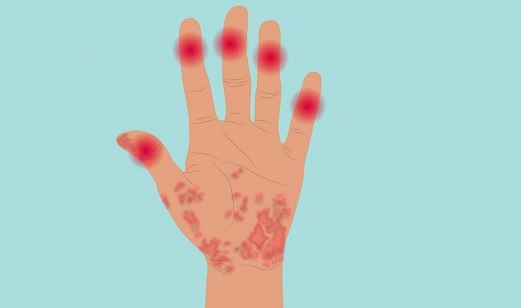
Psoriatic arthritis symptoms can vary widely among individuals and may develop gradually or suddenly. Common Arthritis symptoms include joint pain, swelling, and stiffness, particularly in the hands, feet, and knees. In some cases, the symptoms can affect one side of the body more than the other. The condition may also cause fatigue, nail changes, and eye inflammation. Recognizing Arthritis symptoms in hands, Arthritis symptoms knee, and Arthritis symptoms in feet can help in early diagnosis and treatment. Symptoms of Psoriatic Arthritis are following:
- Joint pain or stiffness.
- Joint swelling or warmth.
- Pitted nails.
- Nail separation.
- Lower back pain.
- Swollen fingers or toes.
- Eye inflammation.
- Foot pain.
Though there is no cure, there is a growing range of treatments available to help stop the disease progression, lessen pain, protect joints and preserve range of motion. If you have or suspect you may have PsA, it is extremely important to work with a doctor who specializes in Arthritis and related diseases to find the right treatment plan. Early recognition, diagnosis and treatment of PsA can prevent or limit the extensive joint damage that can occur in later stages of the disease.Since psoriatic arthritis can mimic other forms of arthritis, it’s essential to distinguish it from conditions like rheumatoid arthritis, which has its own set of Rheumatoid arthritis symptoms.
What are the 7 Types of Arthritis?
Arthritis is a broad term that encompasses more than 100 different types of joint diseases. What are the 7 types of arthritis that are most commonly recognized? These include:
- Osteoarthritis: The most common form of arthritis, caused by wear and tear on the joints.
- Rheumatoid Arthritis: An autoimmune disorder where the immune system attacks the joints.
- Psoriatic Arthritis: A form of arthritis associated with psoriasis, as discussed above.
- Ankylosing Spondylitis: A type of arthritis that primarily affects the spine.
- Gout: A type of arthritis caused by the accumulation of uric acid crystals in the joints.
- Lupus: An autoimmune disease that can cause arthritis-like symptoms.
- Juvenile Arthritis: A type of arthritis that affects children under the age of 16.
Understanding these types can help in identifying psoriatic arthritis symptoms and seeking appropriate treatment.
Conditions that can mimic psoriatic arthritis include:
- Axial spondyloarthritis.
- Enteropathic arthritis.
- Gout.
- Osteoarthritis.
- Plantar fasciitis.
- Reactive arthritis.
- Rheumatoid arthritis.
What You Can Do
Treatments for PsA range from oral medications that reduce inflammation and swelling to biologic therapies that are injected or infused, while targeting specific parts of your immune system to combat PsA symptoms and slow joint damage.
You should see a doctor to receive the highest standard of specialized care for your joints and connective tissues.
What is the Fastest Way to Treat Arthritis?
The fastest way to treat arthritis often involves a combination of medications, physical therapy, and lifestyle changes. For psoriatic arthritis, treatment may include nonsteroidal anti-inflammatory drugs (NSAIDs), disease-modifying antirheumatic drugs (DMARDs), and biologics to reduce inflammation and slow disease progression. Regular exercise, a healthy diet, and stress management are also crucial in managing the condition. In some cases, corticosteroid injections or joint surgery may be necessary. Consulting a healthcare provider is essential to determine What is the fastest way to treat arthritis based on individual symptoms and needs.
Instant Takeaways:
Psoriatic arthritis is a complex condition that requires a comprehensive approach to management. Recognizing early psoriatic arthritis symptoms and understanding the underlying psoriatic arthritis causes can lead to more effective treatment and improved quality of life. Whether dealing with Arthritis symptoms in hands, Arthritis symptoms knee, or other affected areas, seeking timely medical advice is crucial. With the right Arthritis treatment plan, individuals with psoriatic arthritis can lead fulfilling lives, minimizing the impact of this chronic disease.
For those in Patna, Dr. Ashish Singh at AJRC stands out as the Best Orthopaedic Doctor and Surgeon, with expertise in Orthopedic Robotic Surgery for Joint Replacement, Hip Replacement, Knee Replacement, and psoriatic arthritis surgery and more. By seeking care from a specialist like Dr. Singh, you can manage psoriatic arthritis effectively and maintain a high quality of life.
Take control of your psoriatic arthritis with expert care from Dr. Ashish Singh at AJRC.
Schedule your consultation today to explore personalized Arthritis treatment options and manage your symptoms effectively.
FAQ:
What is Psoriatic Arthritis?
Psoriatic arthritis is a chronic inflammatory condition that affects individuals with psoriasis, a skin disorder characterized by red, scaly patches. It combines the symptoms of psoriasis and arthritis, leading to joint pain, stiffness, and swelling. The condition can impact any part of the body, including the fingers, toes, and spine, with severity ranging from mild to severe. Early diagnosis and appropriate treatment are crucial to prevent joint damage and maintain quality of life.
What causes Psoriatic Arthritis?
The exact cause of psoriatic arthritis is not fully understood, but it is believed to arise from a combination of genetic, environmental, and immune system factors. The condition occurs when the immune system mistakenly attacks healthy cells and tissues, leading to joint inflammation and skin cell overproduction. Those with a family history of psoriasis or psoriatic arthritis are at a higher risk. Certain triggers, such as infections, physical trauma, or stress, may also contribute to the onset of the disease.
What are the common symptoms of Psoriatic Arthritis?
Psoriatic arthritis symptoms can vary but commonly include joint pain, swelling, and stiffness, particularly in the hands, feet, and knees. Other symptoms include pitted nails, lower back pain, swollen fingers or toes, eye inflammation, and foot pain. Symptoms can develop gradually or suddenly and may affect one side of the body more than the other.
Why should I consult Dr. Ashish Singh for Psoriatic Arthritis?
For those in Patna, Dr. Ashish Singh at AJRC is recognized as the best orthopedic doctor and surgeon, with expertise in orthopedic robotic surgery for joint replacement, hip replacement, knee replacement, and psoriatic arthritis surgery.For consulting with Dr. Singh, you can connect us with email ID –[email protected] or Phone number +91 8448441016.