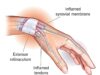

Rheumatoid arthritis (RA) is a chronic autoimmune disease that affects millions of people worldwide. It primarily targets the joints, causing inflammation, pain, stiffness, and, in some cases, long-term damage. While it is most commonly seen in adults, children can also be affected, resulting in a condition known as juvenile rheumatoid arthritis (JRA). Understanding RA’s symptoms, causes, and treatment options can help manage the condition and improve the quality of life for patients. In this comprehensive guide, we will explore rheumatoid arthritis symptoms, diagnosis, treatment options, and much more.
What is Rheumatoid Arthritis?
Rheumatoid arthritis is a disease where the body’s immune system mistakenly attacks its own tissues, specifically the lining of the joints. This autoimmune response leads to joint inflammation and can cause damage to the cartilage, bones, and surrounding structures. Unlike osteoarthritis, which is caused by wear and tear of the joints, rheumatoid arthritis can affect any joint in the body and often leads to the destruction of the affected joints over time.
RA most commonly impacts the smaller joints, such as those in the fingers, wrists, and toes, but it can also affect larger joints like the knees, hips, and shoulders. The inflammation caused by RA can be persistent and may lead to complications in organs like the heart, lungs, and eyes, making early diagnosis and rheumatoid arthritis treatment crucial to manage the disease and prevent further damage.
Juvenile Rheumatoid Arthritis (JIA)
When RA occurs in children under the age of 16, it is referred to as Juvenile Idiopathic Arthritis (JIA). The condition causes joint swelling and stiffness that lasts for six weeks or more. While the exact cause remains unclear, experts believe that genetics, combined with environmental triggers like infections, may play a role.

Types of Juvenile Idiopathic Arthritis (JIA)
Juvenile Idiopathic Arthritis (JIA) is the most common form of arthritis in children and adolescents. Like adult rheumatoid arthritis, JIA is an autoimmune condition that causes inflammation in the joints. However, JIA can have different presentations and affect children in various ways. The types of JIA include:
- Oligoarthritis: This type affects four or fewer joints, often involving larger joints such as the knees or elbows. It is the most common form of JIA and tends to have a better long-term prognosis.
- Polyarthritis: Polyarthritis involves five or more joints, and the inflammation often affects the same joints on both sides of the body. It may involve both large and small joints and can have a more severe course compared to oligoarthritis.
- Systemic JIA: This type is more serious and can affect internal organs like the heart, liver, and spleen. It is characterized by high fever, a characteristic rash, and joint inflammation.
- Psoriatic Arthritis: This form of arthritis includes joint inflammation along with psoriasis, a skin condition marked by red, scaly patches.
- Enthesitis-Related Arthritis: This type targets areas where tendons and ligaments attach to bones, often affecting larger joints like the hips and knees.
What Are the Causes of Rheumatoid Arthritis?
While the exact cause of rheumatoid arthritis is still unknown, researchers believe that a combination of genetic and environmental factors may contribute to its development.
Genetics: Some people may be genetically predisposed to developing RA. Certain genes, such as those in the human leukocyte antigen (HLA) system, are thought to play a role in increasing susceptibility to the disease.
Environmental Triggers: Environmental factors like smoking, infections, and exposure to certain chemicals have been identified as potential triggers for RA. Smoking, in particular, is considered one of the strongest environmental risk factors for developing the condition.
Immune System Dysfunction: In RA, the immune system mistakenly attacks healthy tissues, primarily the synovial membrane that lines the joints. This leads to chronic inflammation, causing pain and swelling in the affected joints.
Rheumatoid Arthritis Symptoms: Early Signs and Progression
Rheumatoid arthritis can affect different individuals in various ways, but some common symptoms include:
- Joint Pain: Often felt in the fingers, wrists, knees, or elbows, joint pain is one of the hallmark symptoms of RA.
- Swelling and Stiffness: Joints become swollen and may feel tender to the touch. Stiffness, especially in the morning, can make movement difficult.
- Fatigue: RA can cause extreme tiredness, which can affect daily activities.
- Fever: Some individuals may experience a mild fever as part of the inflammatory response.
- Rash: A rash may develop in some individuals, particularly those with systemic rheumatoid arthritis.
- Loss of Joint Mobility: Over time, if RA is not properly managed, joints may lose their range of motion due to bone and cartilage damage.
While these symptoms are common in RA, they may not appear in every patient. Some people may experience flare-ups, where symptoms worsen, followed by periods of remission.
What Are the 4 Stages of Rheumatoid Arthritis?
Rheumatoid arthritis progresses over time, and it is classified into four stages based on the severity of the disease and the extent of joint damage:
- Stage 1 – Inflammation: In the early stage of RA, inflammation occurs, causing pain, swelling, and stiffness. However, there is no noticeable joint damage at this point, and X-rays may show no evidence of bone destruction.
- Stage 2 – Cartilage Damage: As inflammation persists, it begins to affect the cartilage in the joints. This can lead to limited movement and discomfort. At this stage, the damage may be visible on X-rays.
- Stage 3 – Bone Damage: Over time, persistent inflammation damages the bones surrounding the joint. This leads to deformity and loss of function. Pain and stiffness intensify as the disease progresses.
- Stage 4 – Severe Damage: In the final stage, inflammation may subside, but the damage to the joints is extensive. Pain can be chronic, and mobility is significantly impaired.
Struggling with rheumatoid arthritis? Get expert care from Dr. Ashish Singh and start your journey to better health today!
Rheumatoid Arthritis Diagnosis: Tests and Imaging
Diagnosing rheumatoid arthritis requires a combination of clinical evaluation and laboratory tests. Physicians will assess symptoms, review the patient’s medical history, and conduct physical exams. Some of the most common diagnostic tests for RA include:
- Rheumatoid Factor (RF) and Anti-CCP Antibodies: These blood tests can indicate the presence of RA. A positive result is often seen in individuals with the disease, though some people without RA may also test positive.
- C-Reactive Protein (CRP) and Erythrocyte Sedimentation Rate (ESR): These blood tests measure inflammation in the body, which can help monitor disease activity.
- X-rays: Imaging tests like X-rays help detect joint damage, such as bone erosion and narrowing of joint spaces, which can indicate RA.
- Ultrasound and MRI: These advanced imaging techniques can detect early signs of joint inflammation and damage that may not yet be visible on X-rays.
Rheumatoid Arthritis Treatment: Medications and Lifestyle Modifications
There is no cure for rheumatoid arthritis, but with proper treatment, the progression of the disease can be slowed, and symptoms can be managed effectively. The main treatment options include medications, lifestyle changes, and in some cases, surgery.

Medications for Rheumatoid Arthritis
- Non-Steroidal Anti-Inflammatory Drugs (NSAIDs): These medications help reduce pain and inflammation in the joints. Over-the-counter options include ibuprofen and naproxen, while stronger prescriptions may be used for severe pain.
- Corticosteroids: Medications like prednisone are used to reduce inflammation quickly and manage flare-ups. However, long-term use can have side effects, including weight gain and weakened bones.
- Disease-Modifying Anti-Rheumatic Drugs (DMARDs): DMARDs are essential in slowing the progression of RA and preventing joint damage. Methotrexate and sulfasalazine are common examples of these medications.
- Biologic Response Modifiers: These advanced medications target specific parts of the immune system. Common biologics include adalimumab and etanercept, which are used in patients who do not respond well to traditional DMARDs.
- Targeted Synthetic DMARDs: Newer medications like baricitinib and tofacitinib are used to target specific molecular pathways involved in RA.
Lifestyle Modifications
Along with medication, lifestyle changes play an important role in managing rheumatoid arthritis:
- Exercise: Regular physical activity can help improve joint flexibility and strengthen the muscles around the joints. Low-impact exercises such as swimming, walking, and yoga are ideal for RA patients.
- Diet: Anti-inflammatory foods, such as those rich in omega-3 fatty acids (e.g., salmon, flaxseeds), can help reduce RA symptoms. Avoiding processed foods and excess sugar can also benefit joint health.
- Rest and Stress Management: Getting enough sleep and managing stress can reduce inflammation and improve energy levels.
Surgical Interventions for Advanced RA
When medications and lifestyle changes are no longer effective, surgery may be necessary to repair or replace severely damaged joints. Common surgical options include:
- Synovectomy: Removal of the inflamed synovial lining to reduce pain and inflammation.
- Tendon Repair: When tendons become damaged, they may need to be repaired to restore function.
- Joint Replacement Surgery: In severe cases, joint replacement may be required to replace a damaged joint with a prosthetic.
Top Rheumatoid Arthritis Doctors in Patna
For those seeking expert care for rheumatoid arthritis in Patna, it is important to consult with experienced rheumatologists and orthopedic doctors. Some of the best doctors for rheumatoid arthritis in Patna include:
- Dr. Ashish Singh, the best orthopedic doctor in India, is renowned for his expertise in joint replacement and arthritis treatments. At Ashish Joint Replacement Center (AJRC), he offers comprehensive care for RA patients, including advanced diagnostic techniques and personalized treatment plans.
- Top Rheumatologists in Patna: If you’re looking for the best rheumatologist in Patna, consider consulting with specialists who focus on autoimmune diseases and inflammatory conditions like RA. Some of the top 10 rheumatologists in Patna offer specialized care tailored to manage the symptoms of rheumatoid arthritis.
Living with Rheumatoid Arthritis
While rheumatoid arthritis can be a challenging condition to live with, with early diagnosis and proper treatment, many people can manage their symptoms effectively. It’s crucial to work closely with a healthcare provider to develop a comprehensive treatment plan that may include medications, physical therapy, and lifestyle modifications. Additionally, regular checkups and staying active can help prevent further joint damage and improve overall health.
Home Remedies for Rheumatoid Arthritis
- Heat and Ice Therapy: Applying warm compresses or ice packs to the affected joints can help reduce inflammation and provide temporary relief from pain.
- Fish Oils and Plant Oils: Omega-3 fatty acids from fish oils or plant-based oils can help reduce inflammation, but they should be used under the supervision of a healthcare provider.
- Tai Chi: This gentle form of exercise combines slow movements and breathing techniques that can improve joint health and flexibility.
Surgical Interventions
In advanced stages of RA, when joint damage becomes severe, surgery may be necessary. Common surgical procedures for RA include:
- Synovectomy: Removal of the inflamed synovial tissue that surrounds the joint.
- Tendon Repair: Surgical repair of tendons that may have been damaged due to RA.
- Joint Replacement: In cases of severe joint damage, joint replacement surgery may be required to improve function and reduce pain.
In conclusion, understanding rheumatoid arthritis, its symptoms, causes, stages, and treatment options is key to managing the disease and leading a fulfilling life. With the right medical support and a proactive approach, patients can navigate the challenges of RA and enjoy a higher quality of life. If you’re in Patna, the best rheumatoid arthritis doctors in Patna are available to provide expert care and guidance.
Takeaways
Rheumatoid arthritis (RA) is a complex condition that affects not only the joints but also other parts of the body. While there’s no cure for RA, early diagnosis and treatment can prevent complications and help patients lead fulfilling lives. By utilizing a combination of medications, physical therapy, and lifestyle changes, individuals with RA can manage their condition effectively, allowing them to live active, productive lives.