

If you’ve ever experienced pain at the base of your thumb or on the side of your wrist—especially while gripping, grasping, or lifting—you may be dealing with De Quervain’s Tenosynovitis, a common yet often misunderstood orthopedic condition. With an increase in mobile device usage and repetitive hand motions due to work-from-home routines, more people are asking: “What’s De Quervain’s Tenosynovitis?” and why does it seem more prevalent today than ever?
This blog explores the full spectrum of De Quervain’s Syndrome, from its causes and symptoms to treatment options and how some people have overcome it completely—including real stories like “How I cured my De Quervain’s Syndrome.” If you’re seeking expert care, we’ll also guide you toward India’s top orthopedic professionals like Dr. Ashish Singh – best orthopedic doctor in India, at AJRC(Ashish joint replacement care)
What’s De Quervain’s Tenosynovitis?
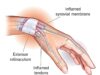
De Quervain’s Tenosynovitis, also called De Quervain’s Syndrome or De Quervain’s Disease, is a painful condition that affects the tendons on the thumb side of your wrist. It involves inflammation of the sheath (synovium) that surrounds the two tendons responsible for moving your thumb.
These tendons run through a tunnel-like structure called the first dorsal compartment. When the tendons or their sheath become swollen, it restricts the smooth gliding of the tendons, causing pain, swelling, and difficulty in wrist and thumb movement.
De Quervain Tenosynovitis – Symptoms and Causes
Symptoms
- Pain and tenderness near the base of the thumb
- Swelling near the wrist
- A “catching” or “snapping” feeling when moving the thumb
- Difficulty gripping or pinching
- Increased pain during thumb and wrist motion, especially when twisting (e.g., opening jars)
These symptoms may develop gradually or suddenly and often worsen with repetitive hand use.
Causes
- Repetitive hand or wrist movements (texting, typing, lifting children, knitting, or even gaming)
- Overuse injuries from sports or physical work
- Pregnancy or post-pregnancy hormonal changes and increased hand use
- Inflammatory arthritis
- Direct injury to the wrist or tendons
While the condition can affect anyone, it’s more common in women—especially new mothers, making it sometimes known as “mommy thumb.”
De Quervain’s Tenosynovitis – Why Is It on the Increase?
Over the last decade, orthopedists have observed a sharp rise in cases of De Quervain’s Tenosynovitis. Several lifestyle and occupational trends explain this increase:
- Smartphone and device overuse: Constant scrolling, swiping, and texting engage the thumb in repetitive motions, leading to strain.
- Remote work: Extended hours on keyboards and mice increase the risk of repetitive stress injuries.
- Postpartum hand strain: The way parents lift their babies (with thumbs extended) can trigger the condition.
- Increased gym workouts: Weightlifting and resistance training involving the wrist may contribute.
Diagnosis: How Is De Quervain’s Disease Identified?
A skilled orthopedic specialist, like those at AJRC – best orthopedic hospital in India, will conduct:
- Physical exam: The Finkelstein test (bending the thumb across the palm and moving the wrist downward) often triggers pain.
- Imaging tests: X-rays are typically not needed unless to rule out other conditions like arthritis or fractures.
Early diagnosis is crucial to avoid worsening symptoms and long-term tendon damage.
Tired of thumb pain? Discover how Dr. Ashish Singh – best orthopedic doctor in India can help you overcome De Quervain’s Syndrome at AJRC
Treatment Options for De Quervain’s Tenosynovitis
1. Conservative (Non-Surgical) Treatments
- Wrist splinting: Keeps the thumb and wrist immobile, reducing strain.
- NSAIDs (anti-inflammatories): Help reduce pain and swelling.
- Cold therapy: Ice packs can reduce localized inflammation.
- Steroid injections: Corticosteroids can be highly effective in reducing tendon sheath inflammation.
- Physical therapy: Stretching and strengthening exercises for the wrist and thumb.
2. Lifestyle Modifications
- Ergonomic changes at workstations
- Reducing phone use or switching to voice commands
- Avoiding activities that require repetitive thumb motions
3. Surgical Intervention
When conservative measures fail, De Quervain’s release surgery may be recommended. It’s a minor outpatient procedure where the tendon sheath is opened to allow freer tendon movement.
At AJRC – best orthopedic hospital in India, advanced techniques ensure a minimally invasive, low-risk surgery with excellent outcomes. Under the supervision of Dr. Ashish Singh – best orthopedic doctor in patna, patients often resume normal activities within weeks.
Recovery and Prevention
Recovery Tips
- Adhere strictly to your physiotherapy plan
- Avoid aggravating activities during healing
- Wear the splint as advised, especially during sleep
- Practice proper hand ergonomics at home and work
Prevention
- Use your entire hand to lift items rather than relying on your thumb
- Take frequent breaks from repetitive tasks
- Perform hand stretches and strengthening exercises regularly
By following these steps, you can lower your risk of developing or redeveloping De Quervain’s Tenosynovitis.
Why Choose AJRC for De Quervain’s Syndrome?
AJRC – best orthopedic hospital in India stands out for its:
- Experienced team of specialists led by Dr. Ashish Singh – best orthopedic doctor in bihar
- State-of-the-art diagnostic tools for accurate assessments
- Personalized treatment plans, from non-invasive options to surgical care
- Post-treatment physiotherapy support and ergonomic guidance
Patients at AJRC benefit from holistic care that addresses both the symptoms and the root causes of their condition.
Final Thoughts
De Quervain’s Tenosynovitis can significantly affect your daily life, but the good news is: it’s highly treatable. Understanding the symptoms, causes, and treatment options is the first step to reclaiming your hand function and quality of life.
If you’re suffering from wrist pain or suspect De Quervain’s Disease, don’t wait. Consult experts like Dr. Ashish Singh – best orthopedic doctor in India at AJRC for proper diagnosis and personalized treatment. Whether you’re just beginning to experience symptoms or have been struggling for months, recovery is possible—with the right support.



 with Dr. Ashish Singh.)